




Many people ask the same question: is it legal to use a VPN or a VPN router? Encrypting all your online activity sounds smart, but the laws around VPN use can seem unclear. Some countries fully embrace VPNs, while others restrict or even criminalize them.
In this guide, we’ll clarify where VPNs are legal, which nations ban them, and how to set up a secure and compliant VPN router for privacy without crossing legal boundaries.
Understanding VPN Routers
Before we tackle the legal side, it helps to know how VPN routers work. A VPN router pushes all your internet traffic through an encrypted tunnel at the network level. Instead of installing VPN apps on each device, you configure the VPN directly on your router.
Once the router connects to a VPN server, every device — from your laptop to your smart TV — is automatically protected. It’s one of the easiest ways to secure your home or office network without constant app management.
Key Advantages of Router-Level VPNs
- One subscription covers every device on your network.
- No need to install or update separate VPN apps.
- The router becomes your single, secure gateway to the internet.
While this setup offers convenience and robust privacy, it also raises a question for many users worldwide: is it legal to use a VPN router in every country?
Is It Legal to Use a VPN?
In most regions, the short answer is yes — VPNs are perfectly legal to use for personal privacy, streaming, and security. However, legality depends heavily on how you use the VPN and where you live or travel.
Let’s look at the two main legal categories worldwide:
1. Countries Where VPNs Are Legal
Most Western nations — including the United States, the United Kingdom, Canada, and nearly all of Europe — fully permit VPN use.
People in these regions use VPNs for everyday activities like protecting data on public Wi-Fi, avoiding ISP tracking, and accessing global entertainment platforms.
Even in these areas, illegal activity remains illegal. Using a VPN for hacking, piracy, or fraud is still punishable by law. VPNs protect privacy, not crime.
2. Countries That Restrict or Ban VPNs
A small number of countries have banned or limited VPN use entirely. Their governments often justify this as a way to control content access or prevent political dissent.
In such places, connecting through a VPN can carry penalties ranging from fines to imprisonment.
Countries Where VPNs Are Banned or Restricted
| Country | Ban Since | Penalty | Reason |
|---|---|---|---|
| North Korea | 2000s | Imprisonment, surveillance | Total state control over the internet |
| Turkmenistan | 2015 | Blocking by state ISP | Preventing dissent and foreign access |
| Belarus | 2015 | Fines, restricted access | Curbing anti-government communication |
| Iraq | 2014 | Up to 1 year in jail | Security and anti-terrorism measures |
If you plan to travel or work in any of these countries, research their current VPN regulations before connecting. Even visiting websites related to VPN services can sometimes be monitored.
Why Some Countries Restrict VPNs
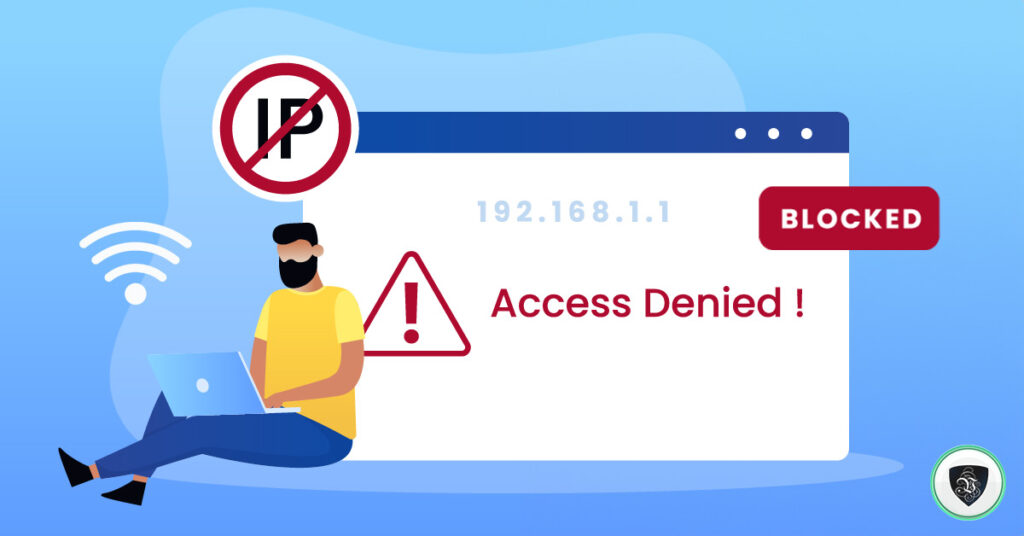
The reasons governments restrict VPNs vary, but most revolve around control. Encrypted tunnels prevent authorities from seeing what users access online. In countries with strict censorship, this undermines state surveillance programs.
For example, governments may argue that VPNs enable illegal speech, leaks, or evasion of regional restrictions. Others see them as tools for bypassing state-run ISPs.
Still, in most of the world, VPNs are recognized as essential for cybersecurity and individual privacy.
Evaluating the Pros and Cons of VPN Routers
Before setting one up, it’s worth considering both the benefits and limitations of running a VPN at the router level.
Advantages
- Encrypts all traffic automatically — no per-device setup.
- Hides your IP address and browsing habits from ISPs.
- Protects IoT devices and smart home gear that lack VPN apps.
- Works with a single VPN subscription, even across multiple gadgets.
Drawbacks
- Some streaming services and banking platforms block VPN IPs.
- Misconfiguration can cause speed loss or connection errors.
- You’ll need to disable the VPN temporarily for specific apps or sites.
To handle those occasional blocks, you can use split tunneling — a feature that lets you send some traffic outside the VPN tunnel while keeping the rest encrypted.
How to Stay Compliant While Using a VPN
If you’re in a country where VPNs are legal, compliance is straightforward: use your VPN for legitimate, privacy-based reasons. Avoid any activities that would be illegal even without a VPN.
If you live or travel in a restricted region, you’ll need to tread carefully. Check official laws before enabling your VPN router, and avoid using unapproved or hidden services that could break local regulations.
Practical Compliance Tips
- Read your country’s cybersecurity laws before setting up your VPN router.
- Use well-known VPN providers that publish transparency and audit reports.
- Avoid using VPNs to access banned content or commit data fraud.
- Keep your VPN software and router firmware updated for security compliance.
Following these steps ensures you benefit from encryption without stepping outside the legal gray zone.
Choosing a VPN Router That Meets Legal and Security Standards
If your region allows VPN use, setting up a VPN router can simplify protection for your entire household. Not all routers can handle encryption efficiently, so choosing compatible hardware is key.
What to Look For
- Protocol support: Ensure your router supports OpenVPN or WireGuard.
- Encryption standards: AES-256-bit encryption is the industry benchmark.
- User-friendly firmware: Choose routers running AsusWRT-Merlin, DD-WRT, or built-in VPN apps.
- Processing power: Dual-core CPUs or better maintain speed under encryption load.
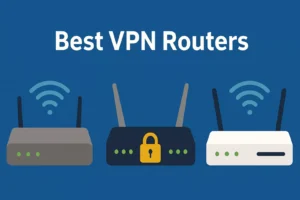
For updated model suggestions, explore our detailed guide to the best VPN routers in 2025 to find preconfigured, plug-and-play options.
Router Compatibility Checklist
- Regular firmware updates and patch support
- Multiple VPN protocol options
- Clear, documented setup guides
- Responsive customer support from the router brand
Setting up a compliant VPN router takes less than an hour and protects every device automatically once configured.
Managing Site Restrictions and Streaming Blocks
Even if using a VPN is legal in your country, some websites block VPN-related IP addresses. This typically happens with banking platforms or media services enforcing content licenses.
Simple Workarounds
- Use split tunneling to route specific apps outside the VPN.
- Temporarily disable the VPN connection from your router’s admin panel.
- Connect through a different server or country within your VPN provider’s network.
These steps allow you to enjoy secure browsing without sacrificing access to legitimate online services.
Key Takeaways
- Is it legal to use a VPN? In most countries, yes — VPNs are allowed for personal and business use.
- A VPN router encrypts all traffic and covers every device automatically.
- Some nations, like North Korea and Belarus, ban or restrict VPNs completely.
- Pair your ISP modem with a VPN-ready router that supports OpenVPN or WireGuard.
- Use split tunneling or temporary disables to access VPN-blocked websites safely.
VPNs are a cornerstone of modern digital privacy. As long as you use them responsibly and stay informed about regional laws, you can enjoy secure, unrestricted browsing anywhere.
Final Thoughts
So, is it legal to use a VPN today? In most parts of the world, absolutely. VPNs are legitimate tools for online privacy, data protection, and secure remote access. However, it’s vital to understand your country’s stance on encryption and tunneling before using one.
By setting up a compliant VPN router, you can enjoy peace of mind knowing your entire network is shielded by encryption — all while staying on the right side of the law.